7 Warning Signs Your AC Is About to Fail
Your AC Talks Before It Quits — Are You Listening?
Air conditioners rarely die without warning. In almost every case, a failing system sends clear signals weeks or even months before the final breakdown. The problem is that homeowners either don't recognize these signs or push them aside until mid-July when the system gives out completely — and every HVAC contractor in Northern Virginia is booked for days.
Learning to spot these early warnings gives you time to schedule a repair on your terms, compare your options, and avoid the panic of a total system failure on the hottest day of the year. This article is part of our 2026 Annandale Cooling Guide.
Schedule an Inspection
Grinding, Squealing, or Banging Sounds
A healthy AC runs with a steady, low hum. When you start hearing grinding, it usually means a motor bearing is failing. Squealing points to a worn belt or motor issue. Banging or clanking suggests something has come loose inside the blower assembly or compressor. None of these resolve on their own — they get worse. If you're hearing new sounds from your system, schedule a diagnostic visit before the noise becomes a breakdown.
"Our technician was highly knowledgeable, thoroughly checked all of our heating and cooling units, and clearly explained what we needed to do to keep them running smoothly. Best of all, he arrived on time."
See our profileWeak or Reduced Airflow From Vents
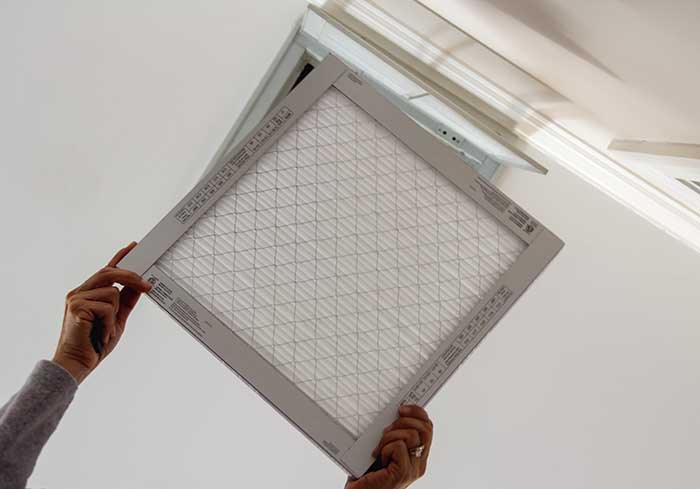
If the air coming from your vents feels weaker than usual, the issue could be a clogged filter, a failing blower motor, or leaky ductwork. In some cases, the evaporator coil has iced over, blocking airflow entirely. Reduced airflow forces your system to run longer and harder, which accelerates wear on every component. Check your filter first — if that's clean and the problem persists, it's time for a professional inspection.
Warm or Room-Temperature Air From Vents
If the system is running but the air isn't cold, you could be dealing with low refrigerant, a failing compressor, or a problem with the expansion valve. This is one of the most common complaints we hear, and it almost always requires a professional diagnosis to pinpoint the root cause. Don't ignore it — a system running warm is working overtime without actually cooling, which drives up energy costs and accelerates wear.
"Was very professional and good at explaining what was broken in the system."
See our profileShort Cycling — Turning On and Off Rapidly
Short cycling means your AC starts a cooling cycle, shuts off after just a few minutes, then starts again. This can be caused by an oversized unit, a refrigerant leak, a dirty condenser, or a failing compressor. It wastes energy, wears out components fast, and leaves your home uncomfortable. If your system cycles more than three or four times per hour, something is wrong and needs professional attention.
Unexplained Spike in Energy Bills
If your electric bill jumped 20–30% compared to the same month last year and your usage habits haven't changed, your AC is likely working harder than it should. This can stem from a dirty system, low refrigerant, a failing component, or simply an aging unit that's lost efficiency over time. A tune-up or diagnostic visit can identify the source quickly and often pays for itself in energy savings within a month or two.
"As expected, Gus went above and beyond in inspecting our house and gave us good pointers about the system."
See our profile
Excess Moisture or Water Leaks
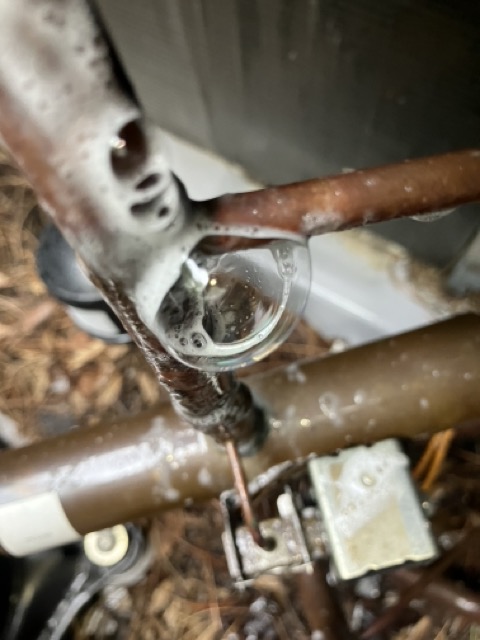
Some condensation near your indoor unit is normal, but puddles, water stains on the ceiling, or dripping from the air handler are signs of a clogged drain line, a frozen coil, or a cracked drain pan. Left unaddressed, water damage can lead to mold growth and structural issues — on top of the AC problem itself. If you're seeing water where it shouldn't be, get it checked before the damage compounds.
Your System Is 12+ Years Old
Even a well-maintained AC unit loses efficiency as it ages. If yours is 12–15 years old and showing any of the signs above, it may be more cost-effective to replace than repair. Newer systems are significantly more efficient — a unit with a 16+ SEER2 rating can cut your cooling costs by a third compared to a 10-year-old model. Factor in a fresh warranty and modern refrigerant, and replacement often pays for itself within a few years. If you're on the fence, Ava Air offers free onsite estimates so you can see both options side by side.
"Third time I've used Ava Air. This service visit was as good as first two. Tech was on time, pleasant, explained what he was doing and why and then cleaned up before leaving. Highly recommend."
See our profile
Our technician was highly knowledgeable, thoroughly checked all of our heating and cooling units, and clearly explained what we needed to do to keep them running smoothly. Best of all, he arrived on time.
Related Services
AC Repair
Fast, honest AC repair from a locally owned team. Most issues fixed the same day.
Learn MoreAC Installation
Professional AC replacement with transparent pricing and owner-led installation.
Learn MoreGet Reliable AC Service Today
Whether you need a quick repair, a full system replacement, or just a seasonal tune-up, Ava Air makes it easy. Free onsite estimates, honest pricing, and owner-led service on every call.
Call or Request a Visit
Reach us at (703) 629-6020 or submit a request online. We respond fast — usually the same day.
Get Your Free Estimate
Paul or Gus will come out, diagnose the issue, and give you a clear, no-pressure quote on the spot.
Enjoy Cool Comfort
Most repairs are completed the same day. We clean up, test everything, and make sure you're comfortable before we leave.
